Sepsis Watch
Inpatient safety tool

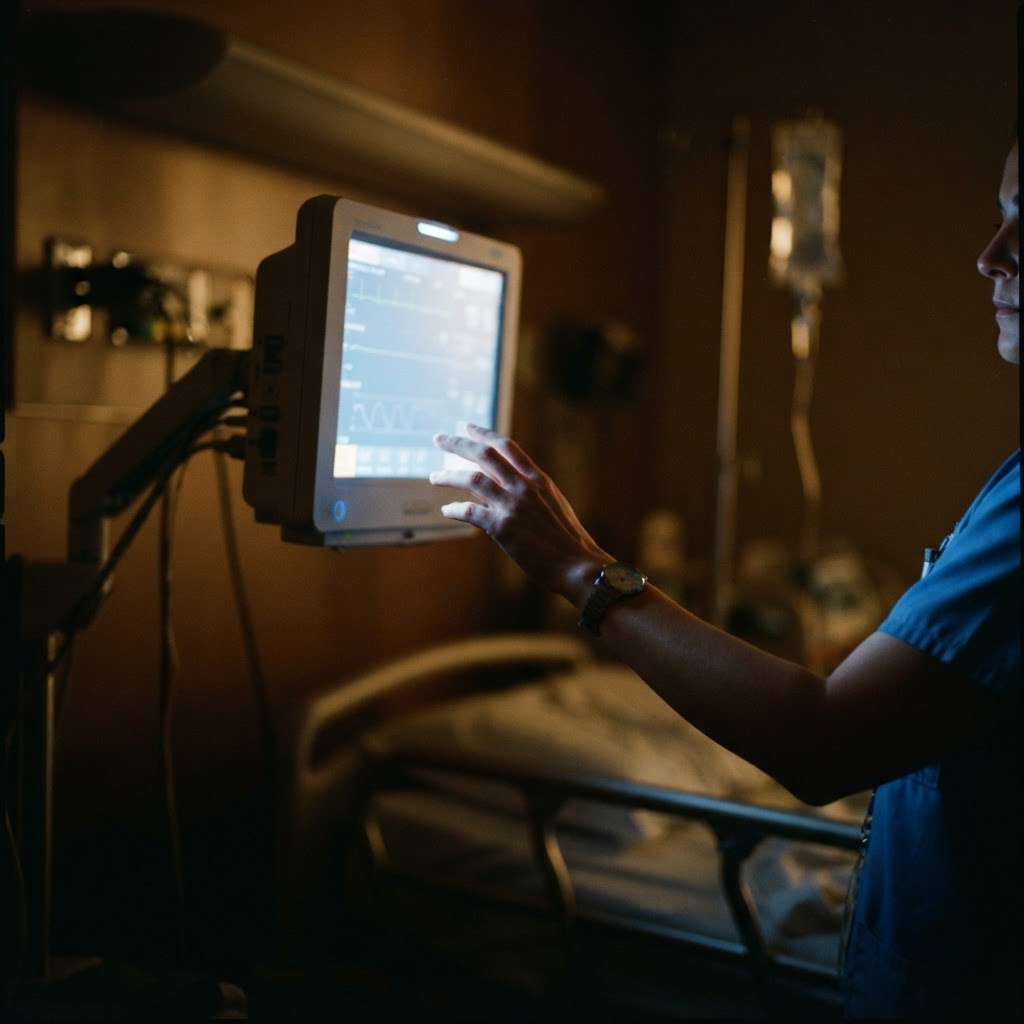
Rebuilt sepsis alerting around nurse-reported criteria rather than lab thresholds alone, consolidating nine overlapping alerts into two.
Median time-to-antibiotic down 41 minutes; alert volume down 22%.
A sample portfolio, built from a résumé and a project list.
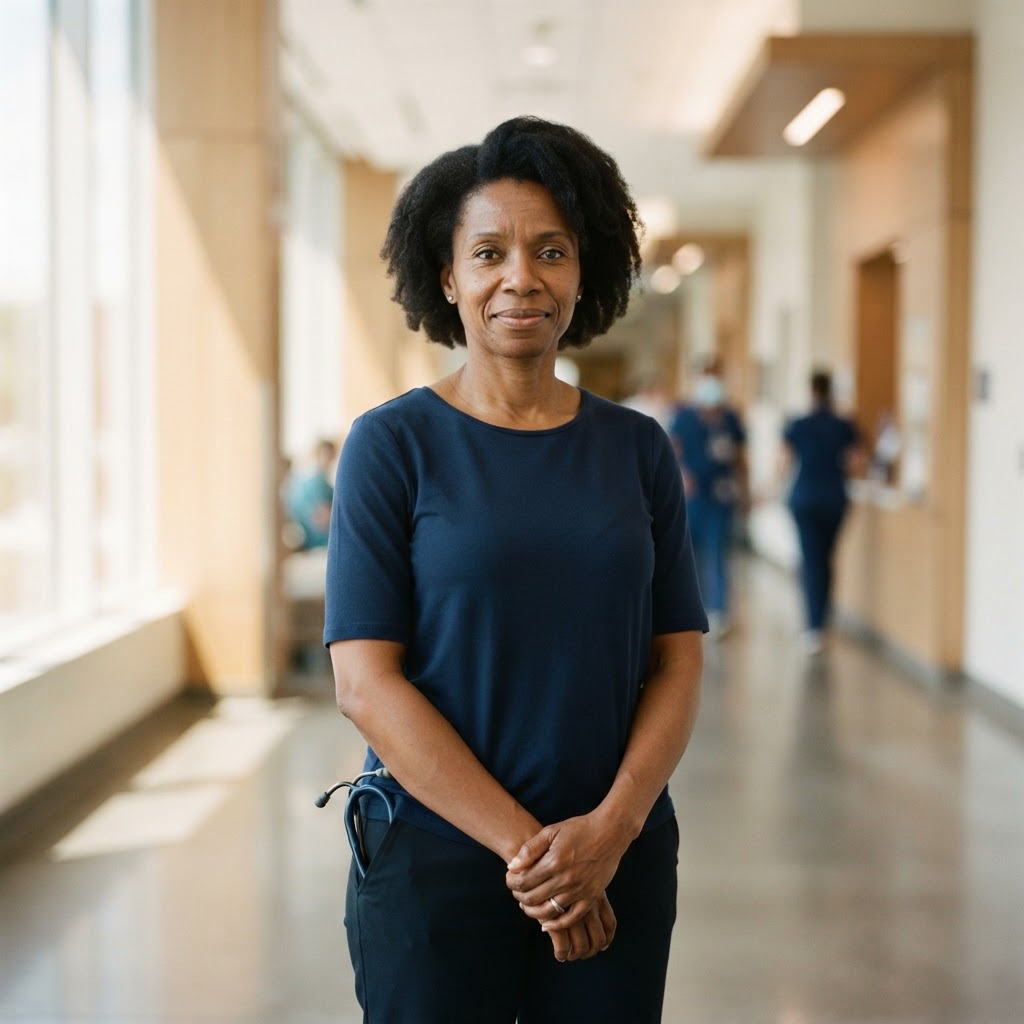
Clinical informatics lead turning messy hospital data into decisions nurses can trust.
Eleven years on inpatient units, now building the alerting, documentation and reporting that sit behind the bedside.

Three things stay constant across every project I take on.
I shadow the people who will use a system before I spec it — including night shifts, where most documentation problems actually live.
Designs that hold up outside of a demo.
Every change ships with a measurement plan agreed in advance, so we can say clearly what improved and what we got wrong.
Two hospital systems now run quarterly alert-effectiveness reviews.
Clean data contracts, versioned clinical logic, and defaults that fail safe rather than loudly.
Duplicate charting fields cut by 40% across a 12-unit rollout.
Modelling and reporting across clinical and operational datasets.
Configuration, governance and quality control of clinical platforms.
Inpatient safety tool

Rebuilt sepsis alerting around nurse-reported criteria rather than lab thresholds alone, consolidating nine overlapping alerts into two.
Median time-to-antibiotic down 41 minutes; alert volume down 22%.
Patient-facing web app

A plain-language discharge checklist that pulls medication and follow-up details straight from the chart, written at a sixth-grade reading level.
30-day readmissions for heart-failure patients down 3.1 points.

A medical-surgical unit was averaging more than a thousand alerts a day, and nurses had started silencing them as a reflex. I led the review that rebuilt the logic from the ground up.
Context
1,140 alerts per day across 32 beds, with nurses reporting they could no longer tell which ones mattered.
Problem
Alert criteria were built from lab thresholds alone, ignoring the clinical picture nurses were already tracking at the bedside.
Approach
Two weeks of shadowing, 18 nurse interviews, and an alert-by-alert audit of what triggered a real intervention.
Solution
Nine alerts replaced with two nurse-reported criteria sets, with a weekly review of every override.
Outcome
Alert volume down 22%, and zero missed deterioration events in the following two quarters.
The unit asked for the review to be repeated in the ICU.
Co-author · Journal of Nursing Informatics, 2023
A mixed-methods study of 240 nursing shifts linking alert volume to reported attention lapses and charting delays.
Cited in two hospital alerting policies and one state nursing advisory.
2021 — Present · Mercy General, Baltimore
Own the informatics roadmap for a 420-bed hospital: alerting, documentation, and clinical reporting.
2019 — 2021 · Chesapeake Health Partners
Built the reporting layer used by nursing leadership for staffing and quality review.
2013 — 2019 · Mercy General
Night-shift charge nurse on a 32-bed unit; preceptor for new graduates.
2013 · University of Maryland
Graduated with honors; senior practicum in critical care.
Documentary director telling stories from cities that are changing faster than the people living in them.
Climate data analyst modelling heat risk for the neighbourhoods least able to absorb it.